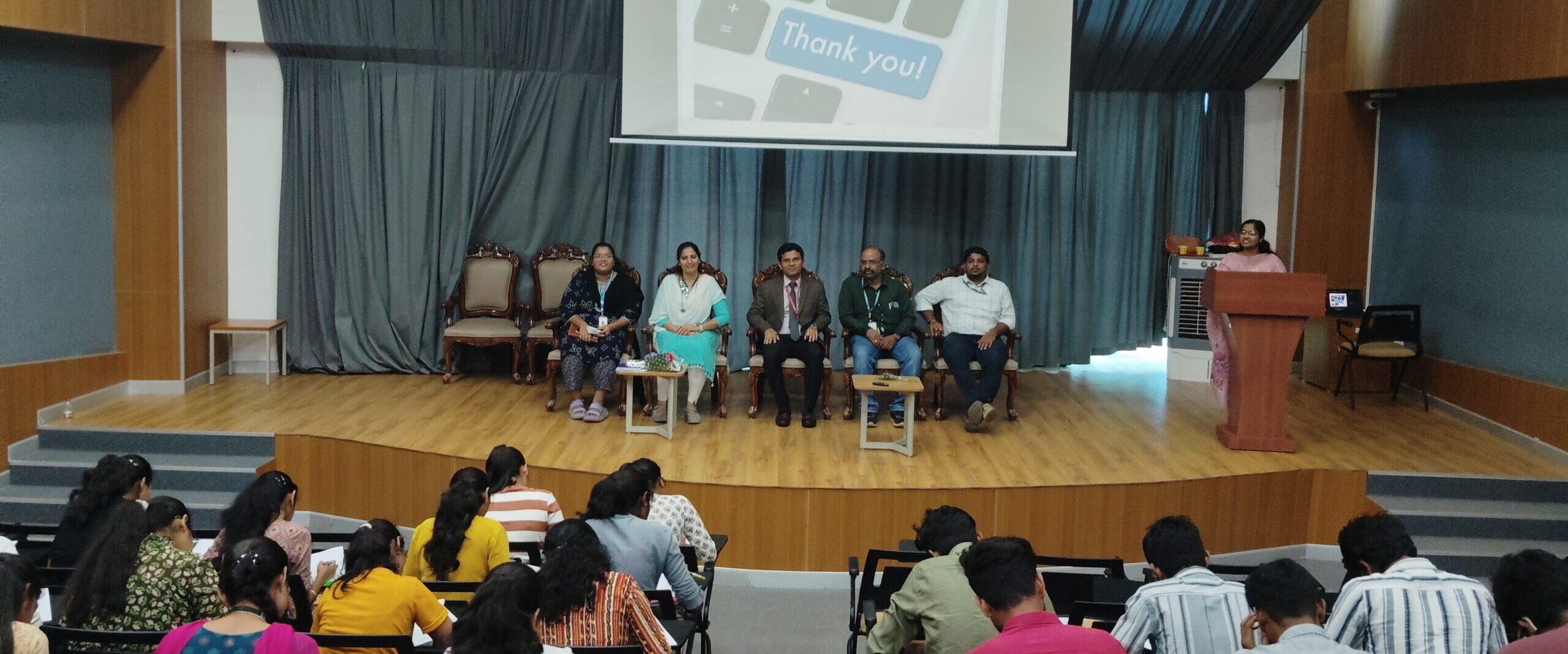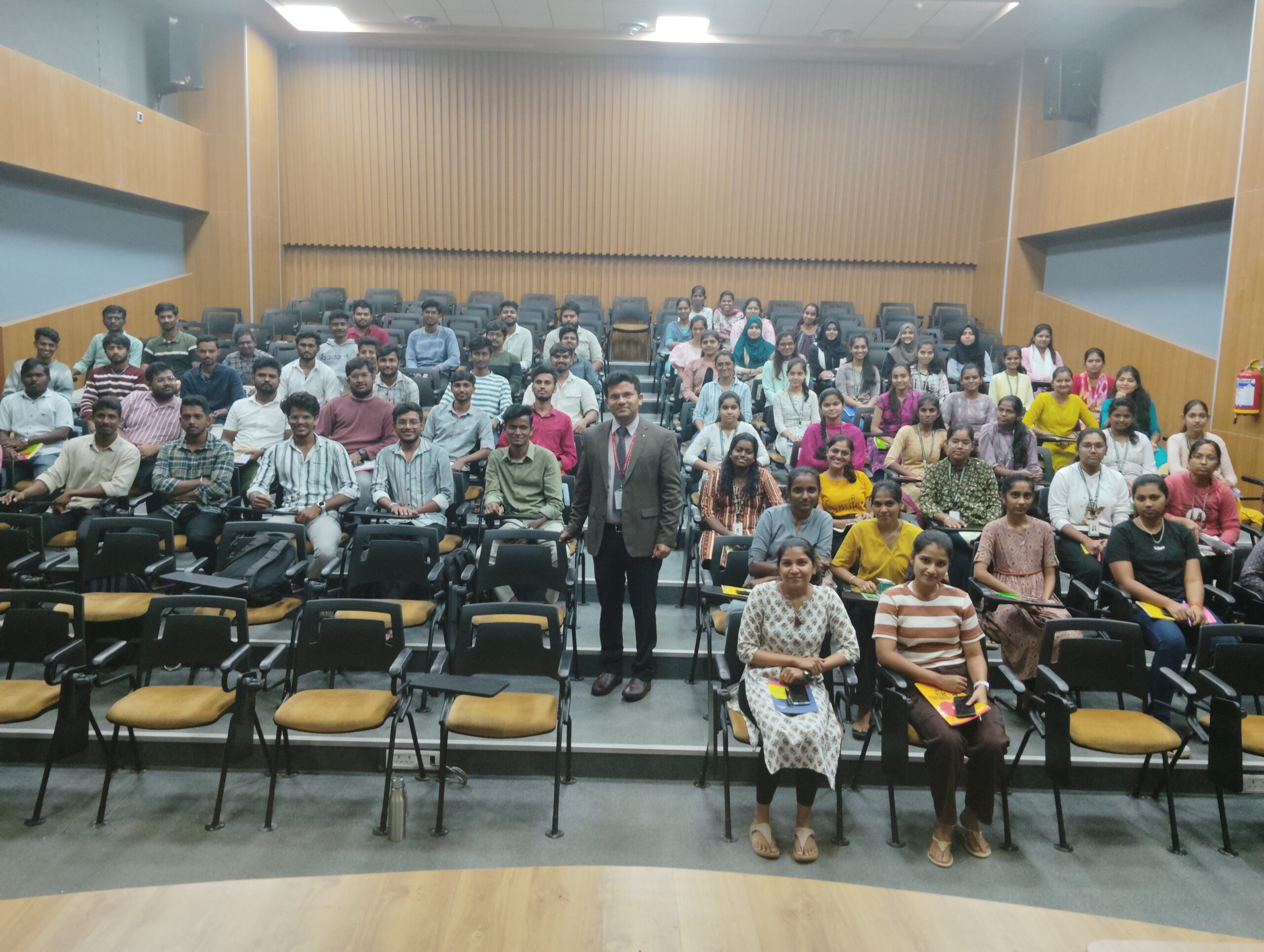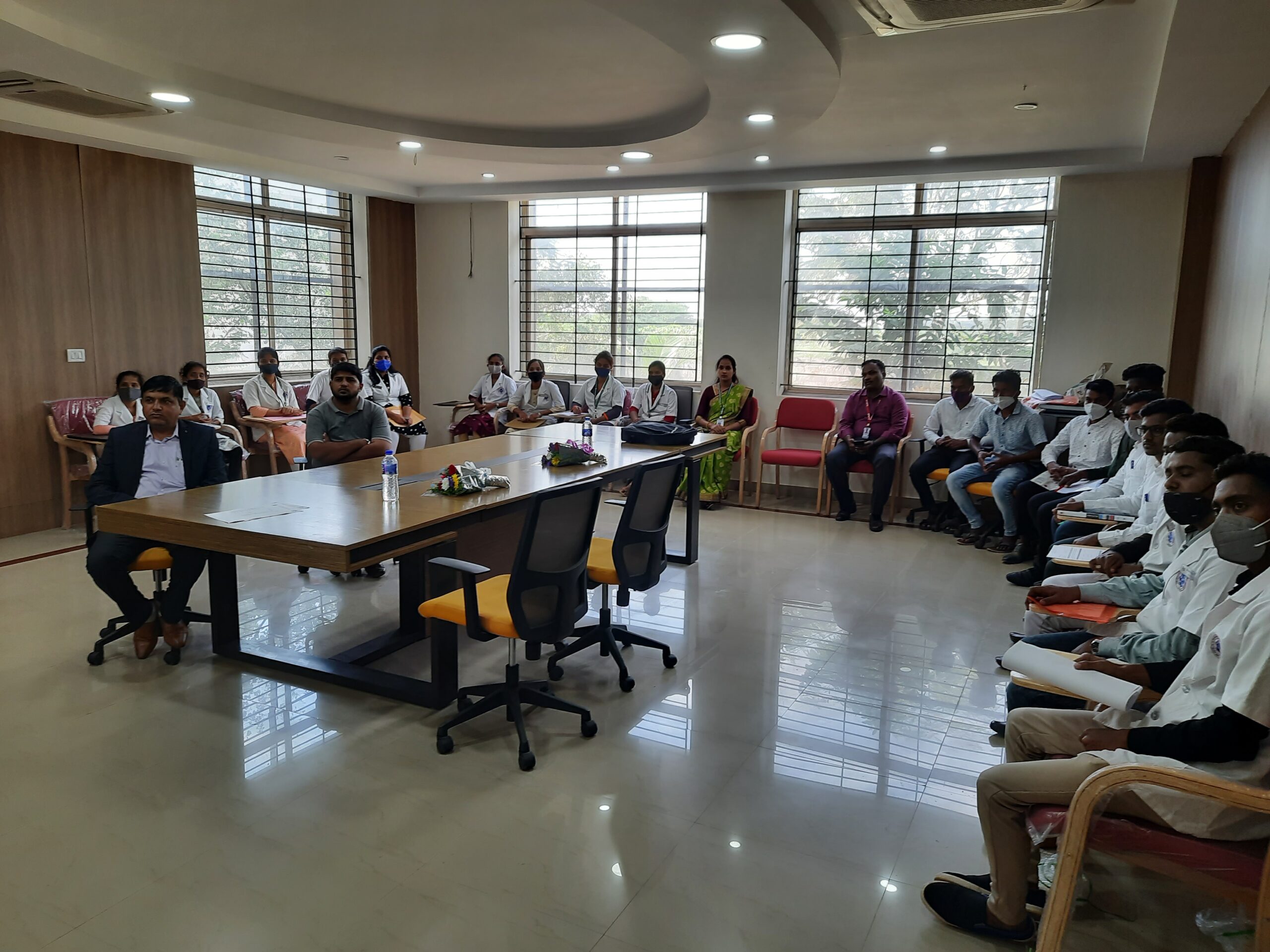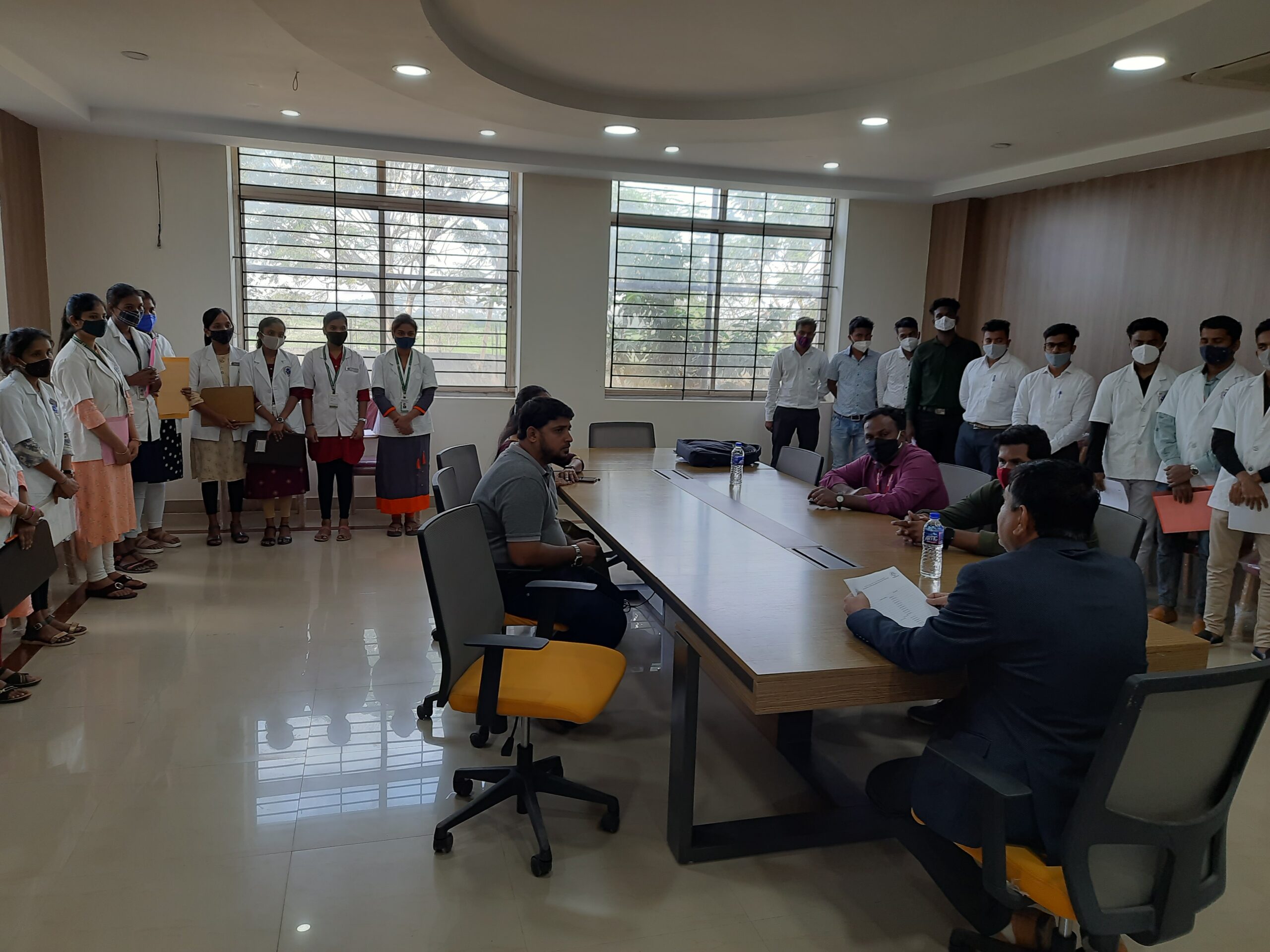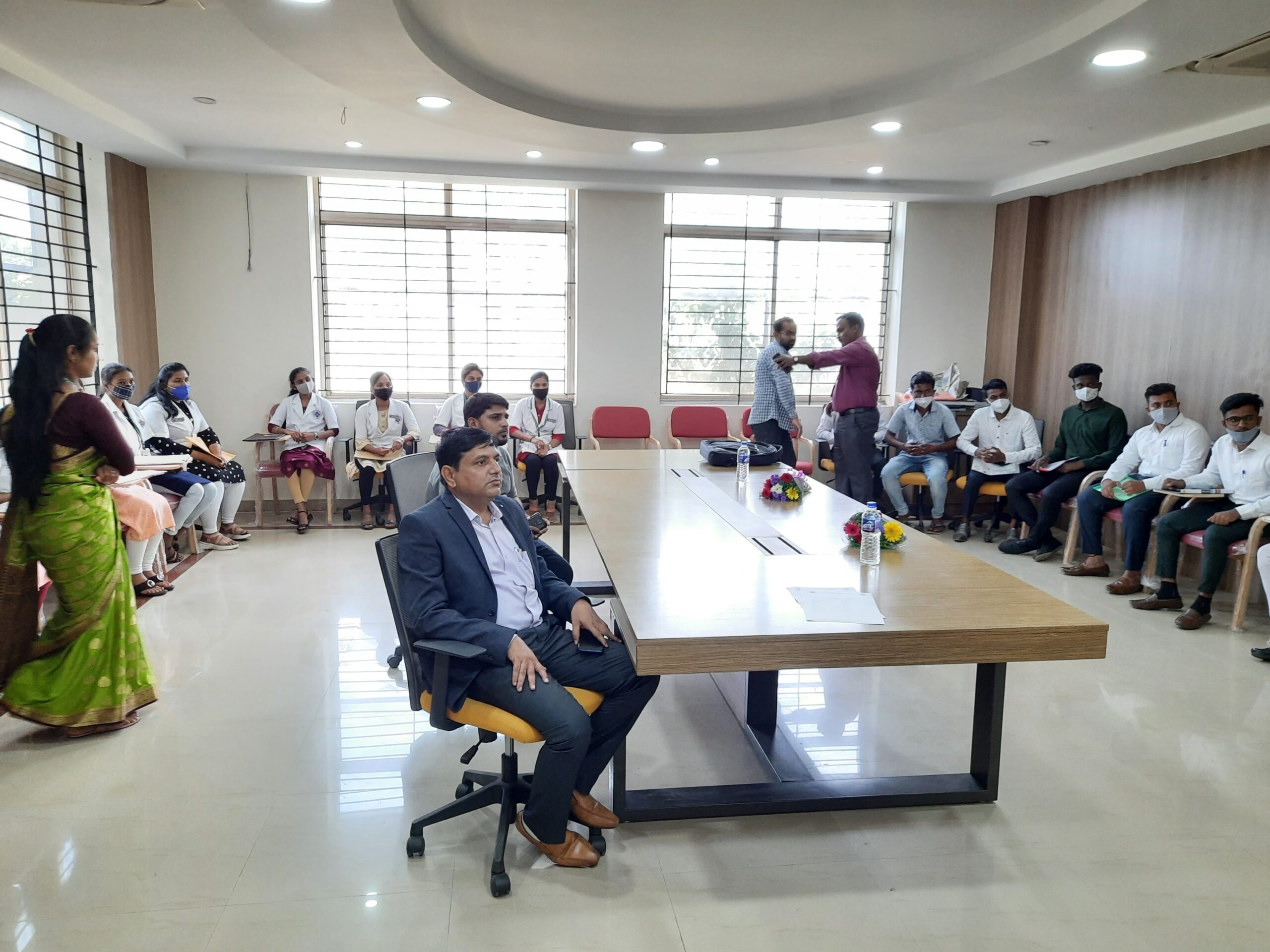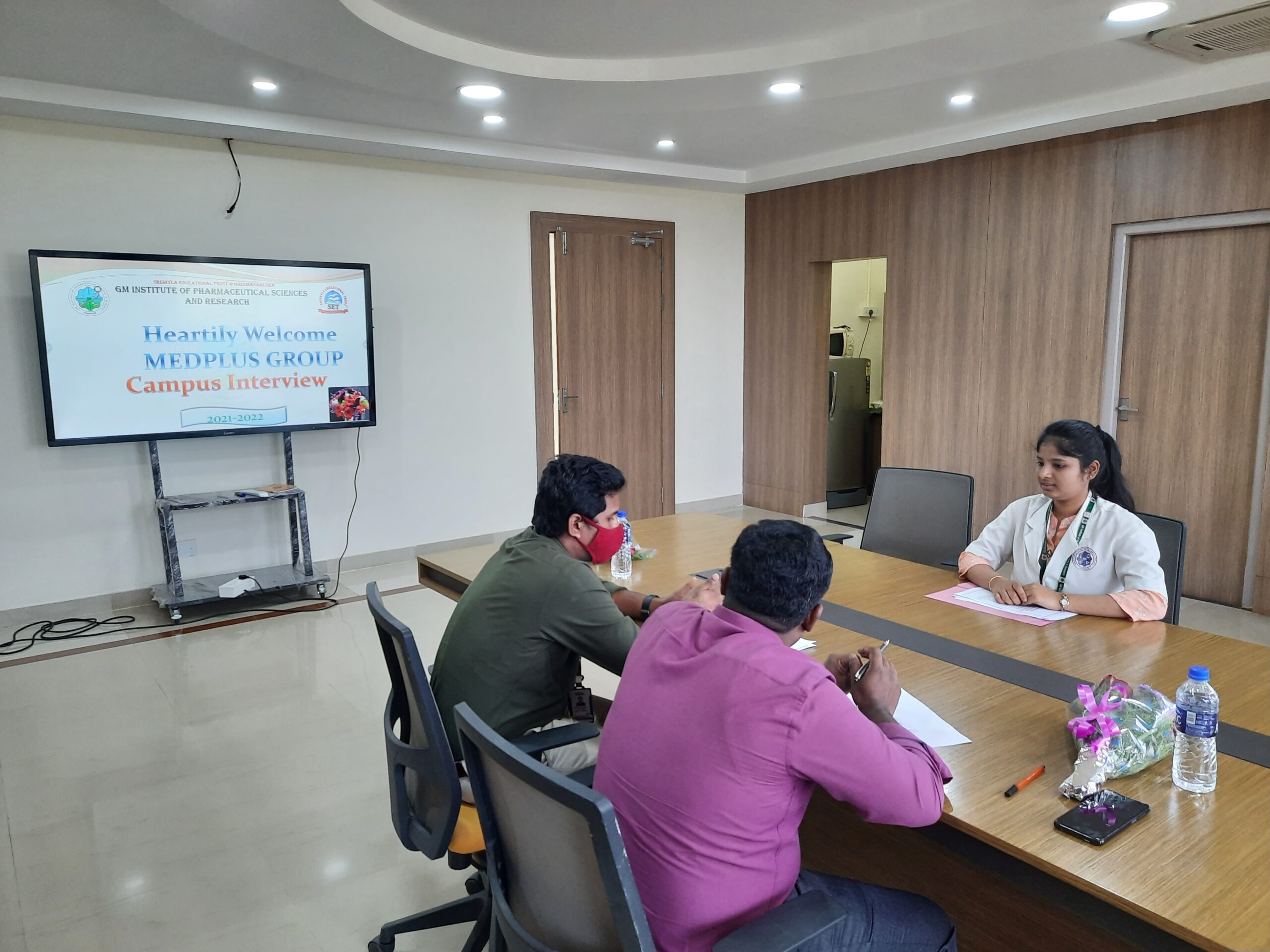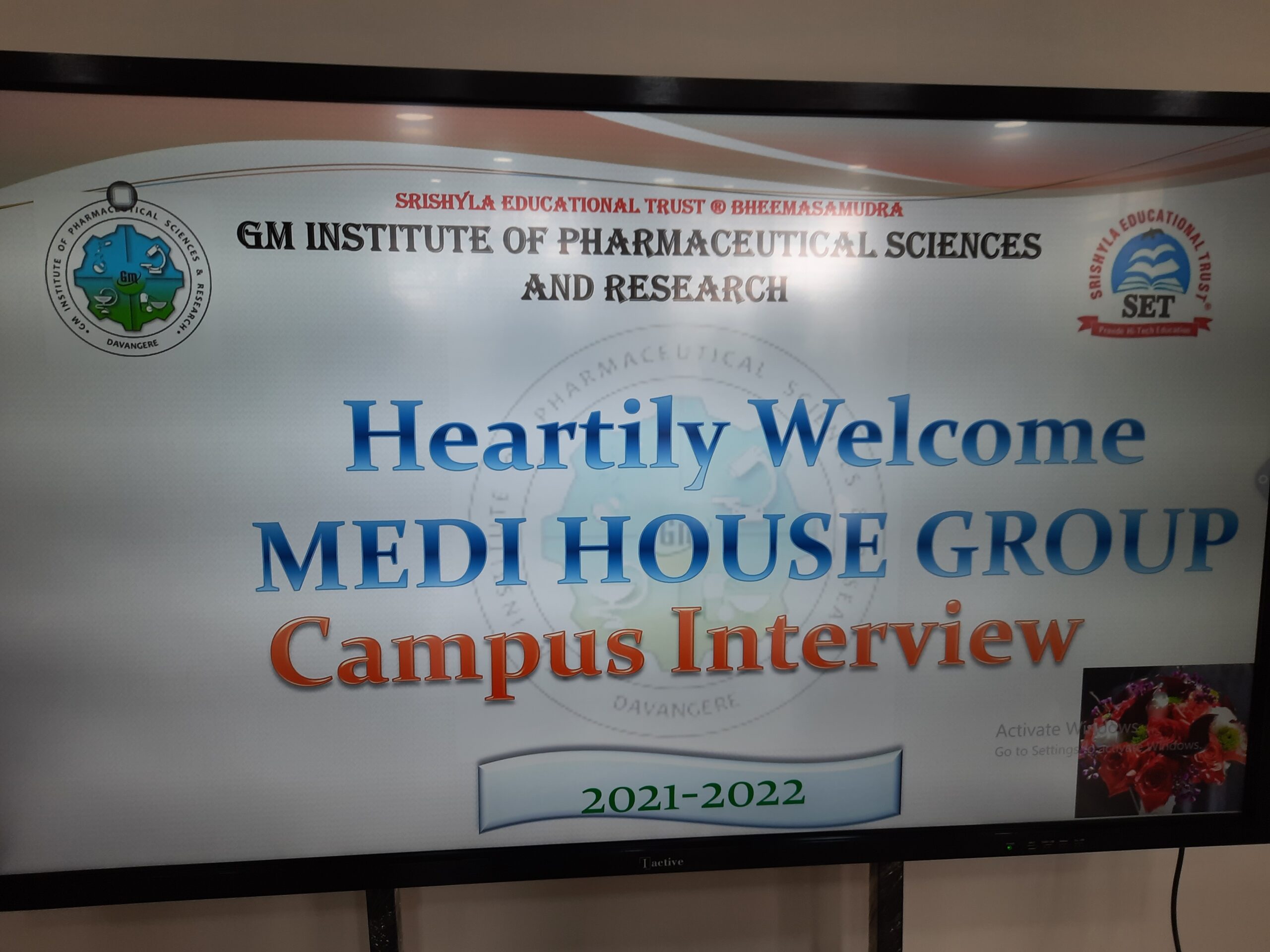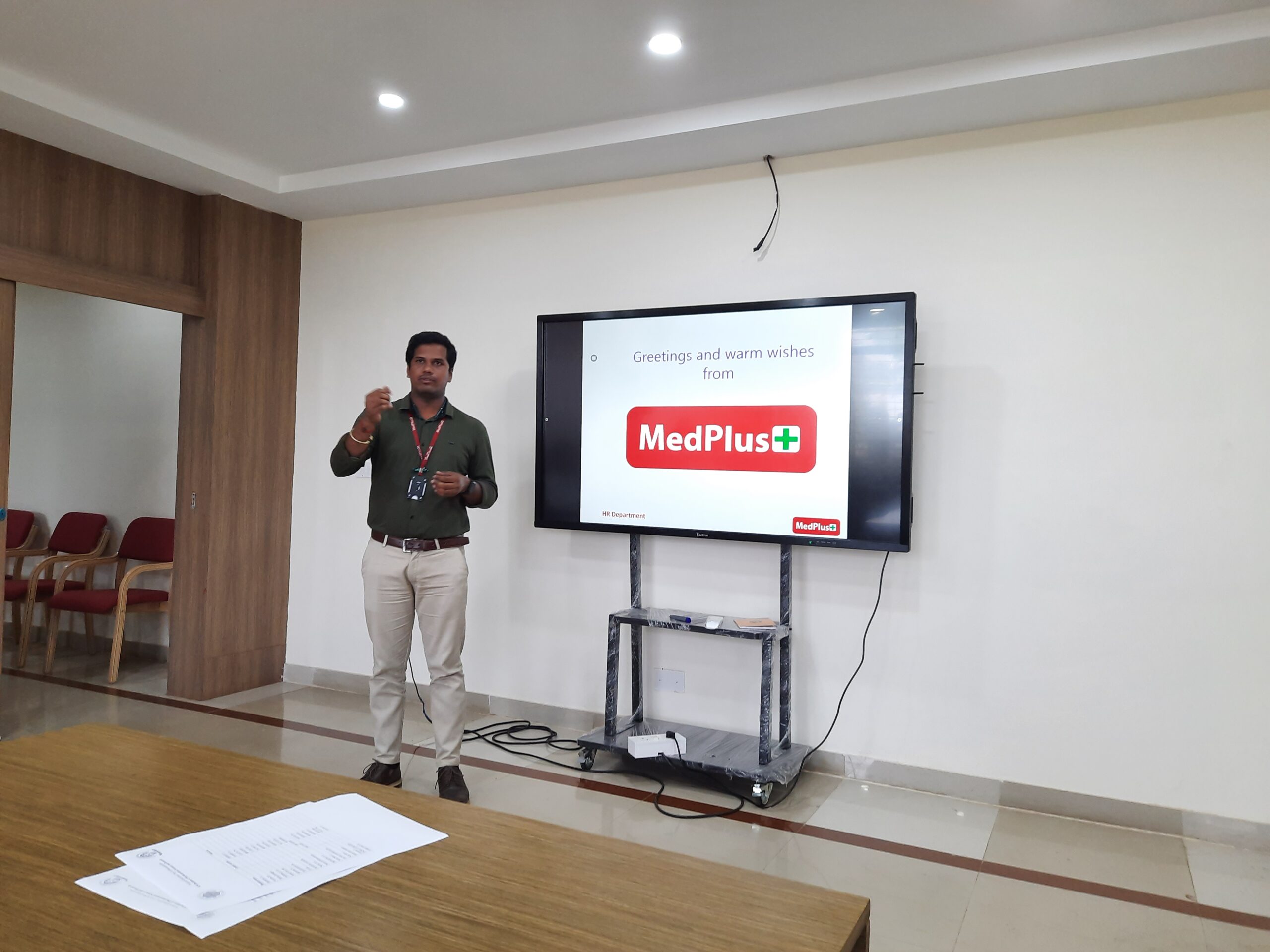
Welcome to GMIPSR College

Training and Placement Cell

Training and Placement Cell (TPC) is an essential component in educational institutions, particularly colleges and universities, designed to bridge the gap between students and potential employers. Its primary goal is to help students prepare for their careers by providing training, workshops, and placement opportunities. Here’s an overview of its functions and responsibilities:

Key Functions of a Training and Placement Cell:
  1. Industry Tie-ups and Partnerships:
    • Establishing relationships with companies, industries, and organizations for recruitment purposes.
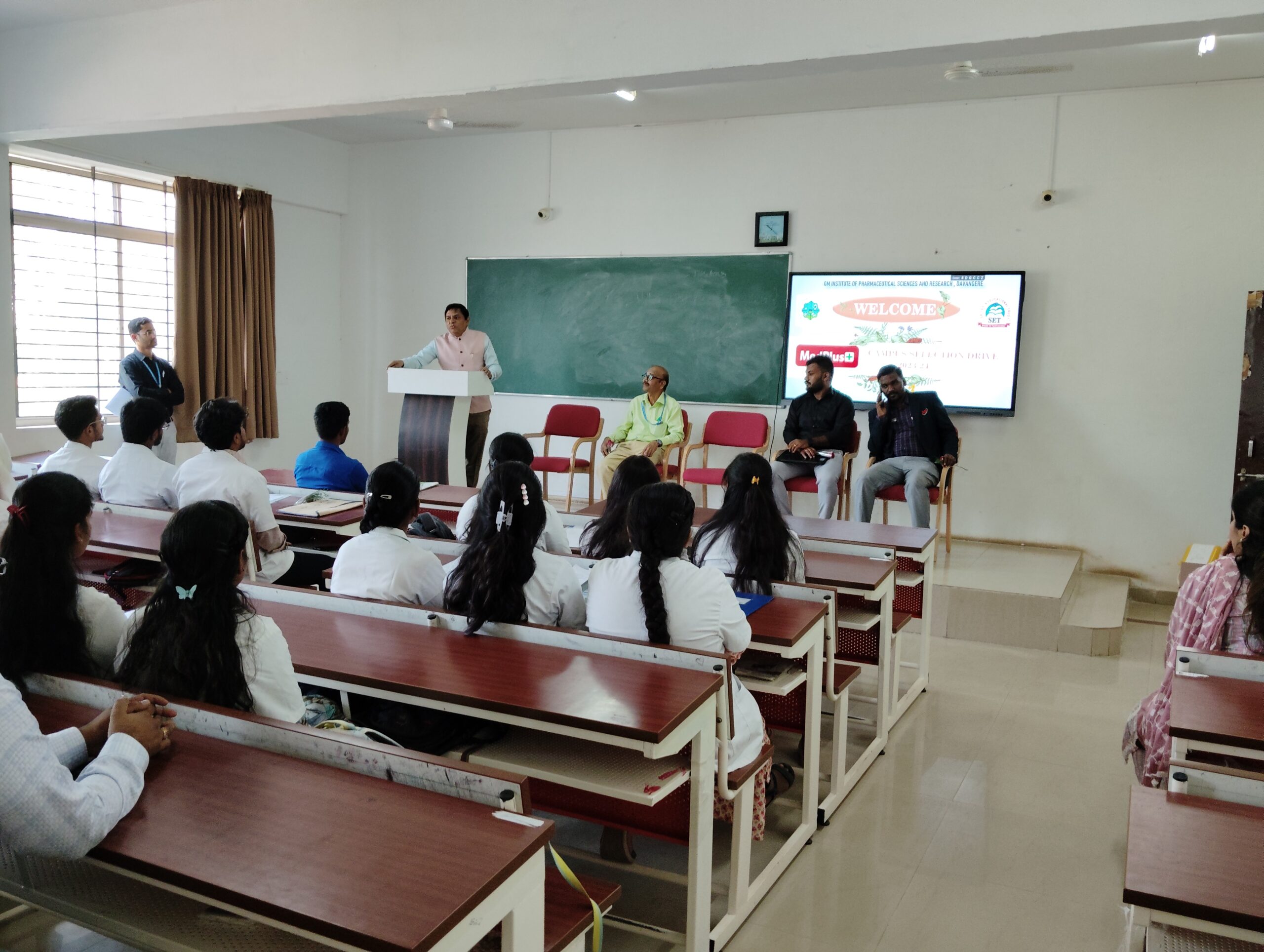
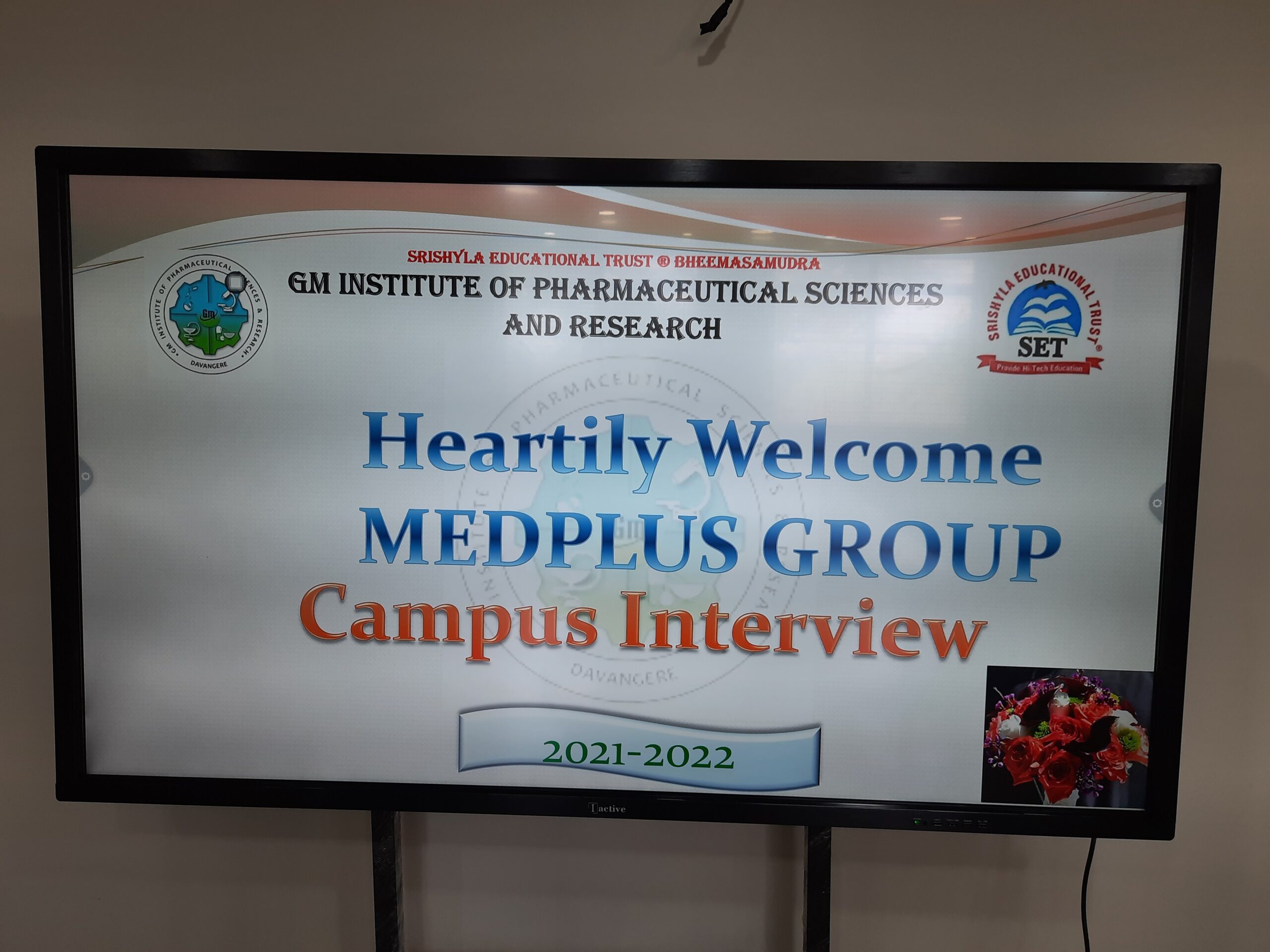
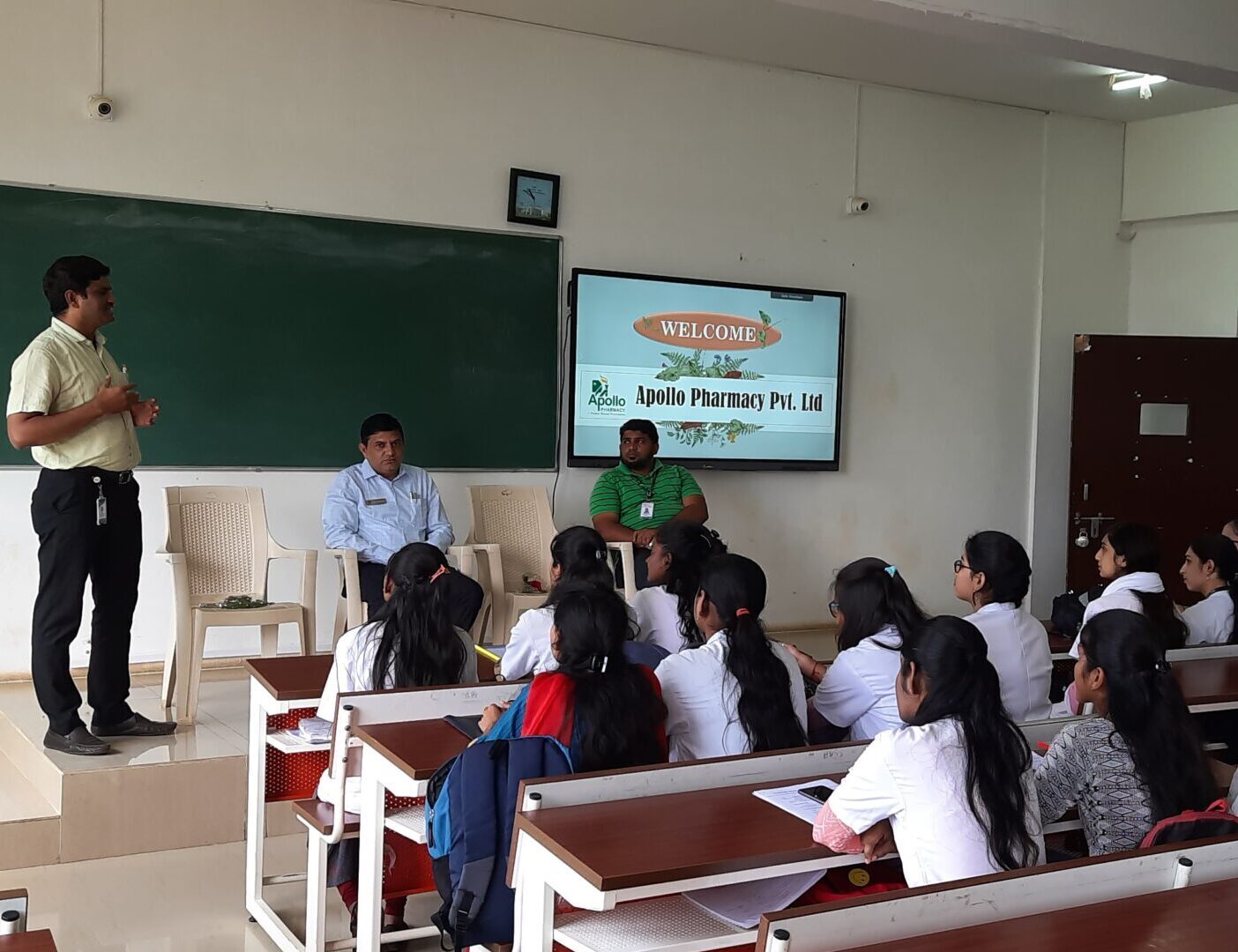
    • Organizing campus recruitment drives and inviting companies for on-campus interviews.
  2. Career Counseling:
    • Guiding students in choosing their career paths based on their interests, strengths, and market trends.
    • Providing advice on resume building, interview techniques, and professional etiquette.
  3. Skill Development and Training:
    • Organizing training sessions to enhance students’ soft skills (communication, teamwork, leadership) and technical skills (coding, data analysis, etc.).
    • Conducting mock interviews, group discussions, and aptitude tests to prepare students for real-world job assessments.
  4. Internship Opportunities:
    • Facilitating internship placements for students to gain hands-on experience in their respective fields.
    • Helping students understand industry requirements and enhance their employability.
  5. Job Fairs and Campus Interviews:
    • Organizing job fairs where multiple companies visit the campus to hire students.
    • Coordinating with recruiters and conducting pre-placement talks, tests, and interviews.

 Alumni Networking:

    • Maintaining a network of alumni who can offer career guidance, mentorship, or even job opportunities for current students.
    • Organizing alumni meetups and webinars to keep the student body connected with professionals.

Post-Placement Support:

    • Offering support even after students are placed, ensuring smooth transition into their jobs.
    • Providing assistance for students who may face difficulties in adapting to their new roles.

Importance of a TPC:

  • Enhanced Employability: Prepares students with the necessary skills to meet industry standards and expectations.
  • Industry Collaboration: Creates a platform for students to interact with industry experts, recruiters, and organizations.
  • Student Satisfaction: Ensures students are well-prepared and have a higher chance of securing employment.
  • Institution Reputation: A successful TPC increases the institution’s credibility and attracts more recruiters and prospective students.

Activities of a TPC:

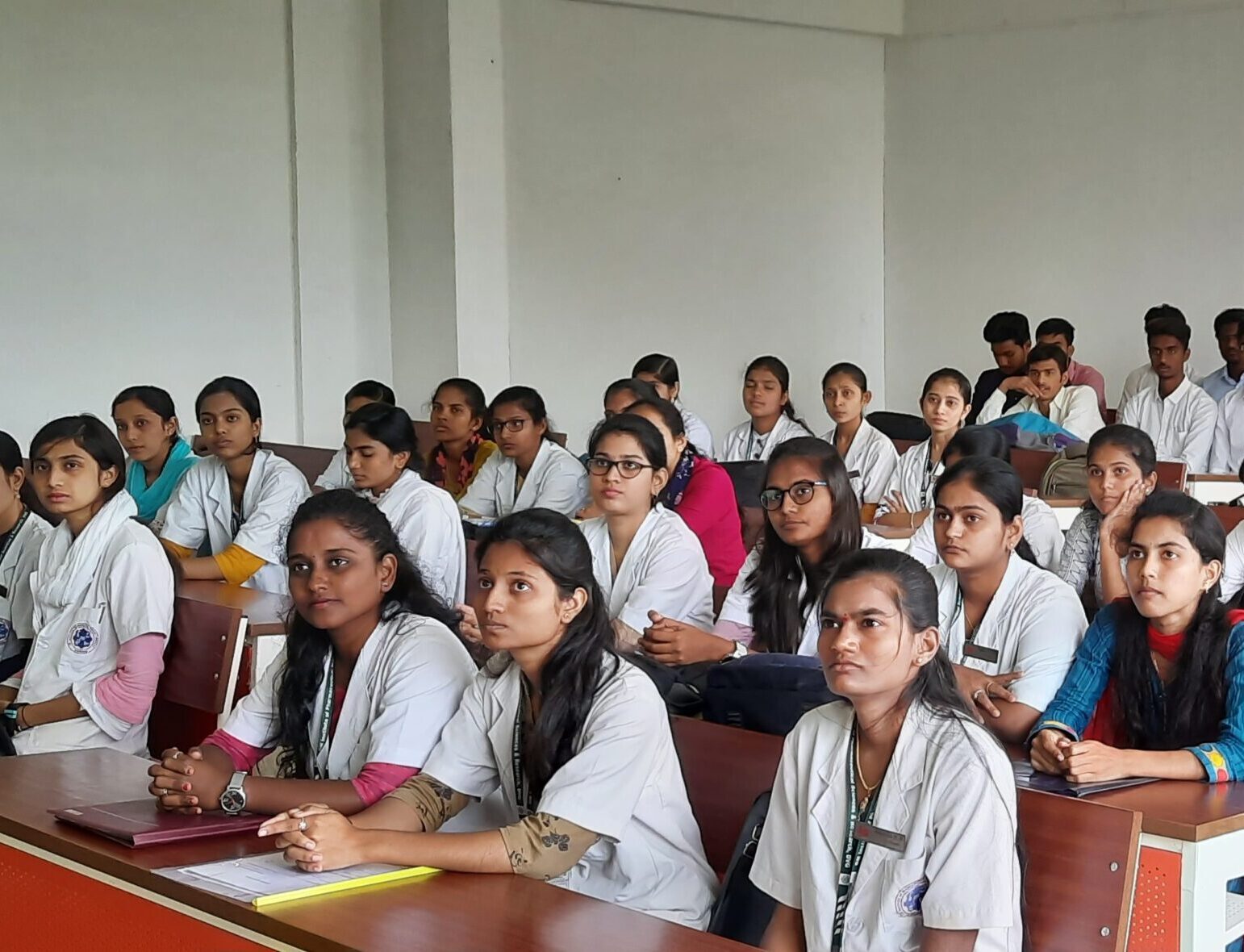
  • Hosting workshops on resume writing and job search techniques.
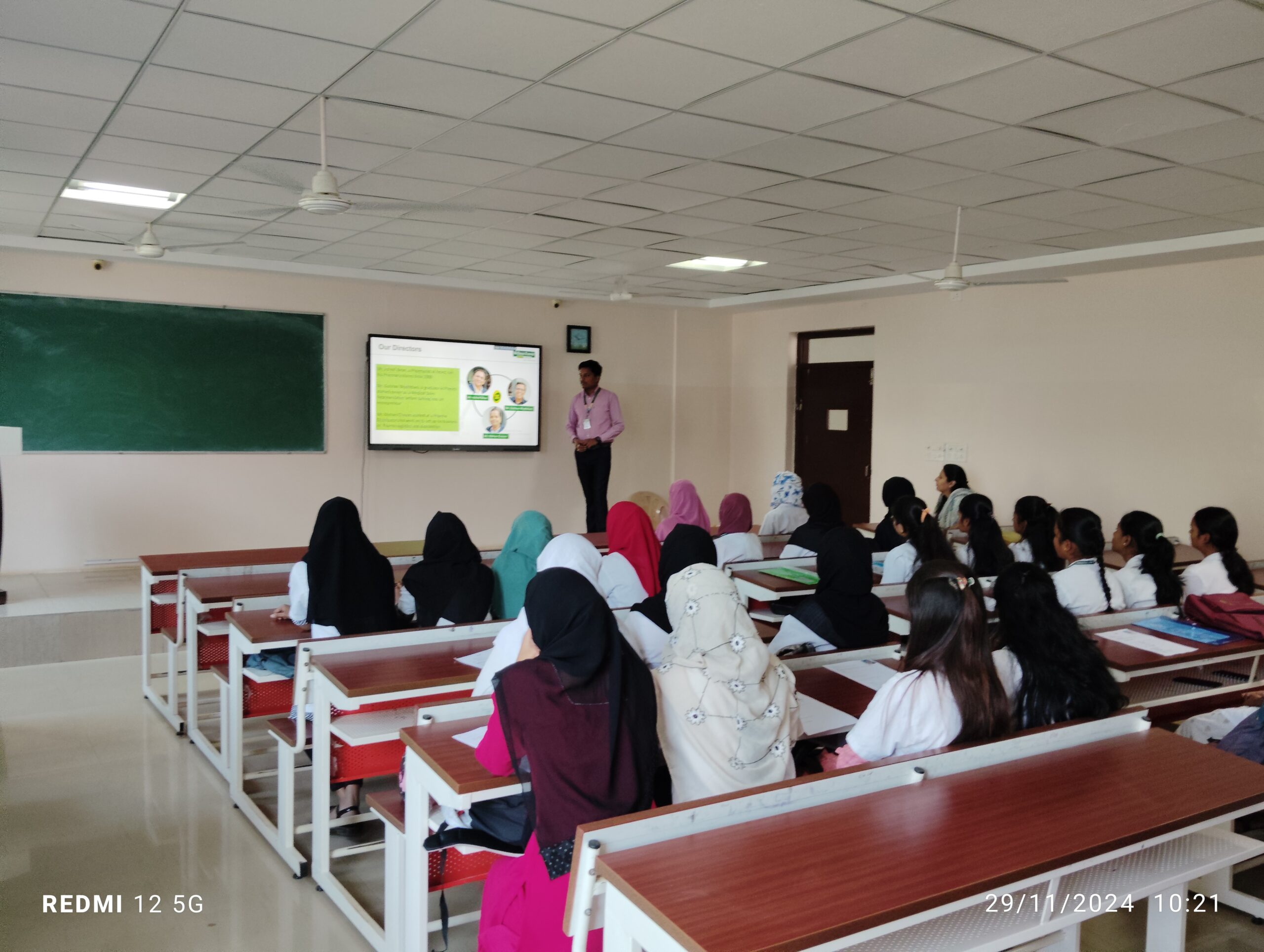
  • Organizing industry guest lectures or seminars.
  • Conducting mock aptitude tests and personality development sessions.
  • Coordinating placement drives, both on-campus and off-campus.
  • Ensuring that students are kept updated with internship and job openings.

In essence, the Training and Placement Cell plays a pivotal role in shaping the career path of students by preparing them for the job market and providing a platform for securing employment opportunities.

General Secretary – Training and Placement Cell

Dear Students,

It gives me immense pleasure to address you all regarding the pivotal role of the Training and Placement Cell in our college. As the world continues to evolve and industries become more dynamic, the demand for well-trained and employable graduates has never been greater. The Training and Placement Cell plays an instrumental role in bridging the gap between academic learning and professional success.

The cell is committed to equipping students with the necessary skills, knowledge, and industry insights, ensuring that they are well-prepared to face the challenges of the competitive job market. We organize a range of activities including workshops, mock interviews, internships, industry visits, and skill development programs to empower our students and make them industry-ready.

Through dedicated efforts, we have been able to bring some of the best organizations to our campus for recruitment drives, offering our students excellent career opportunities. I encourage all students to actively engage with the Training and Placement Cell, utilize the resources available, and participate in the various events organized throughout the academic year.

Your success is our priority, and with the combined effort of faculty, staff, and students, I am confident that the Training and Placement Cell will continue to support and guide you toward achieving your career goals.

Wishing you all the best in your academic and professional journey.

Warm Regards,

Rakesh S A 
Training and Placement officer 
GMIPSR, Davanagere.

Carrier advice in Pharmaceutical profession

  1. Pharmacist

  • Role: Dispense medications, counsel patients, collaborate with healthcare providers.
  • Skills: Strong knowledge of medications, patient communication, attention to detail.
  • Education: Doctor of Pharmacy (Pharm.D.) , D Pharm and B Pharm
  • Job Outlook: Growing demand, especially in healthcare settings like hospitals, clinics, and retail pharmacies.
  1. Pharmaceutical Sales

  • Role: Promote and sell pharmaceutical products to doctors, clinics, and hospitals.
  • Skills: Communication, negotiation, deep understanding of products, interpersonal skills.
  • Education: Bachelor’s degree in life sciences or business, with a focus on sales or marketing.
  • Job Outlook: High demand for sales reps in pharmaceutical companies.
  1. Pharmacovigilance (Drug Safety)

  • Role: Monitor and evaluate the safety of pharmaceutical products post-market.
  • Skills: Analytical thinking, attention to detail, regulatory knowledge.
  • Education: Bachelor’s or Master’s in pharmacy, life sciences, or related fields.
  • Job Outlook: Increasing importance as safety regulations tighten.
  1. Regulatory Affairs

  • Role: Ensure that pharmaceutical products meet regulatory requirements for approval in various markets.
  • Skills: Understanding of regulatory guidelines, project management, attention to detail.
  • Education: Degree in pharmacy, life sciences, or regulatory affairs certification.
  • Job Outlook: Constant need as global regulations evolve.
  1. Clinical Research

  • Role: Conduct clinical trials to evaluate the efficacy and safety of new drugs.
  • Skills: Research skills, attention to detail, scientific knowledge.
  • Education: Degree in life sciences or clinical research.
  • Job Outlook: Expanding as new drug development continues.
  1. Formulation Scientist

  • Role: Develop new drug formulations and ensure they are effective and safe for consumption.
  • Skills: Chemistry, biotechnology, innovation in drug delivery methods.
  • Education: Degree in pharmaceutical sciences, chemistry, or a related field.
  • Job Outlook: Steady, with the growing demand for more efficient drug delivery systems.
  1. Pharmaceutical Marketing

  • Role: Develop strategies to market pharmaceutical products to consumers, healthcare professionals, and institutions.
  • Skills: Marketing expertise, understanding of the healthcare market, creativity.
  • Education: Degree in marketing or business with a focus on healthcare.
  • Job Outlook: Constant need for marketing professionals to support product launches.
  1. Biotechnology

  • Role: Develop and apply biological techniques to improve or create new pharmaceutical products.
  • Skills: Biotechnology expertise, lab skills, innovation.
  • Education: Degree in biotechnology, molecular biology, or a related field.
  • Job Outlook: Growing, especially with advances in gene therapy, personalized medicine, and biopharmaceuticals.
  1. Medical Science Liaison (MSL)

  • Role: Act as the bridge between pharmaceutical companies and the scientific community, providing expert insights on the company’s products.
  • Skills: Scientific expertise, communication, strategic thinking.
  • Education: Ph.D. or Pharm.D. in relevant scientific fields.
  • Job Outlook: High demand for MSLs, especially in clinical and medical affairs.
  1. Supply Chain and Manufacturing

  • Role: Oversee the production, distribution, and quality control of pharmaceutical products.
  • Skills: Logistics, quality assurance, problem-solving.
  • Education: Degree in engineering, business, or life sciences.
  • Job Outlook: Essential to the pharmaceutical industry’s global operations


Training

Internships and Industry-Specific Workshops

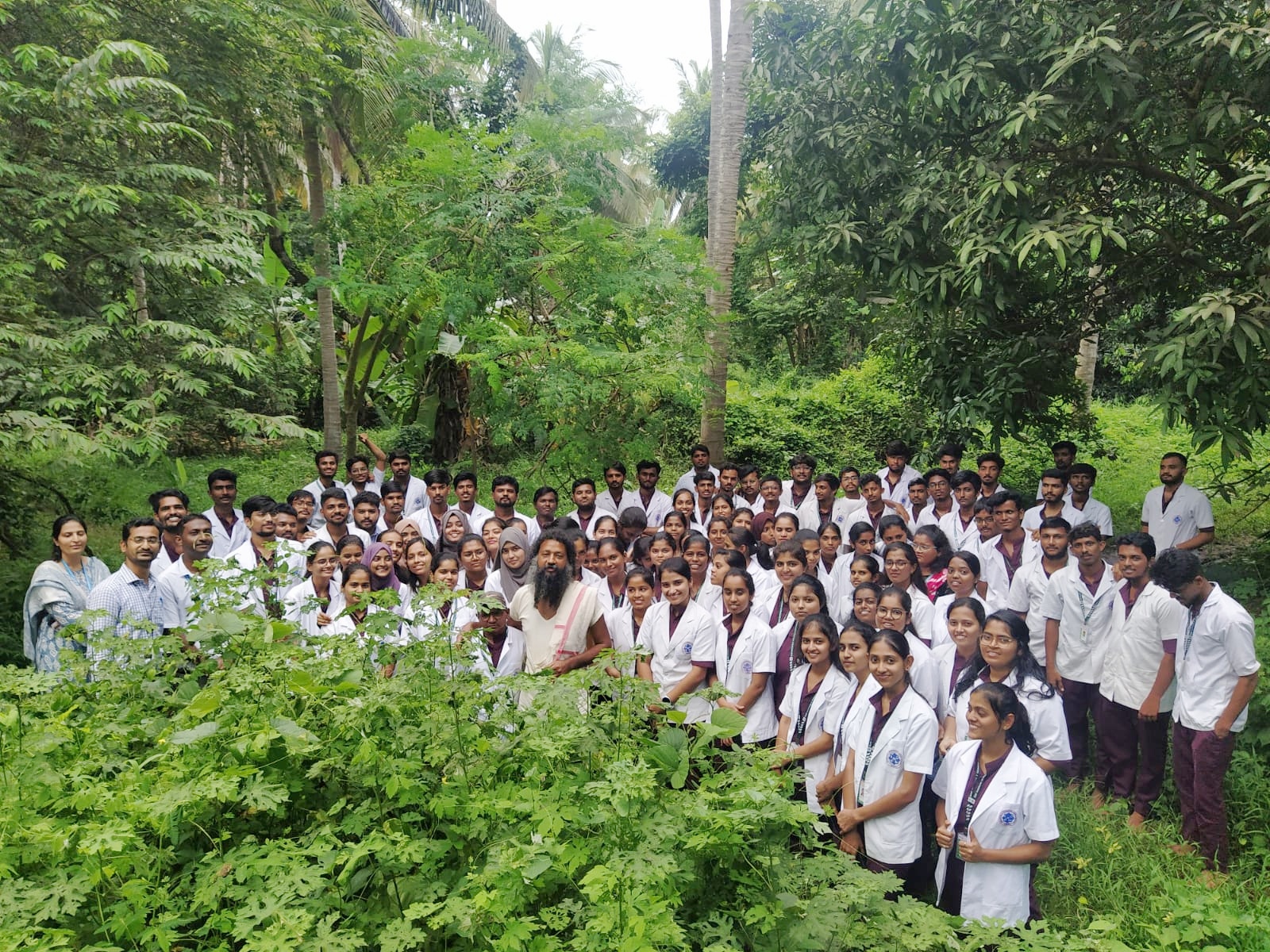
  • Many pharmaceutical companies, contract research organizations (CROs), and regulatory bodies offer internship programs for recent graduates to gain hands-on experience.
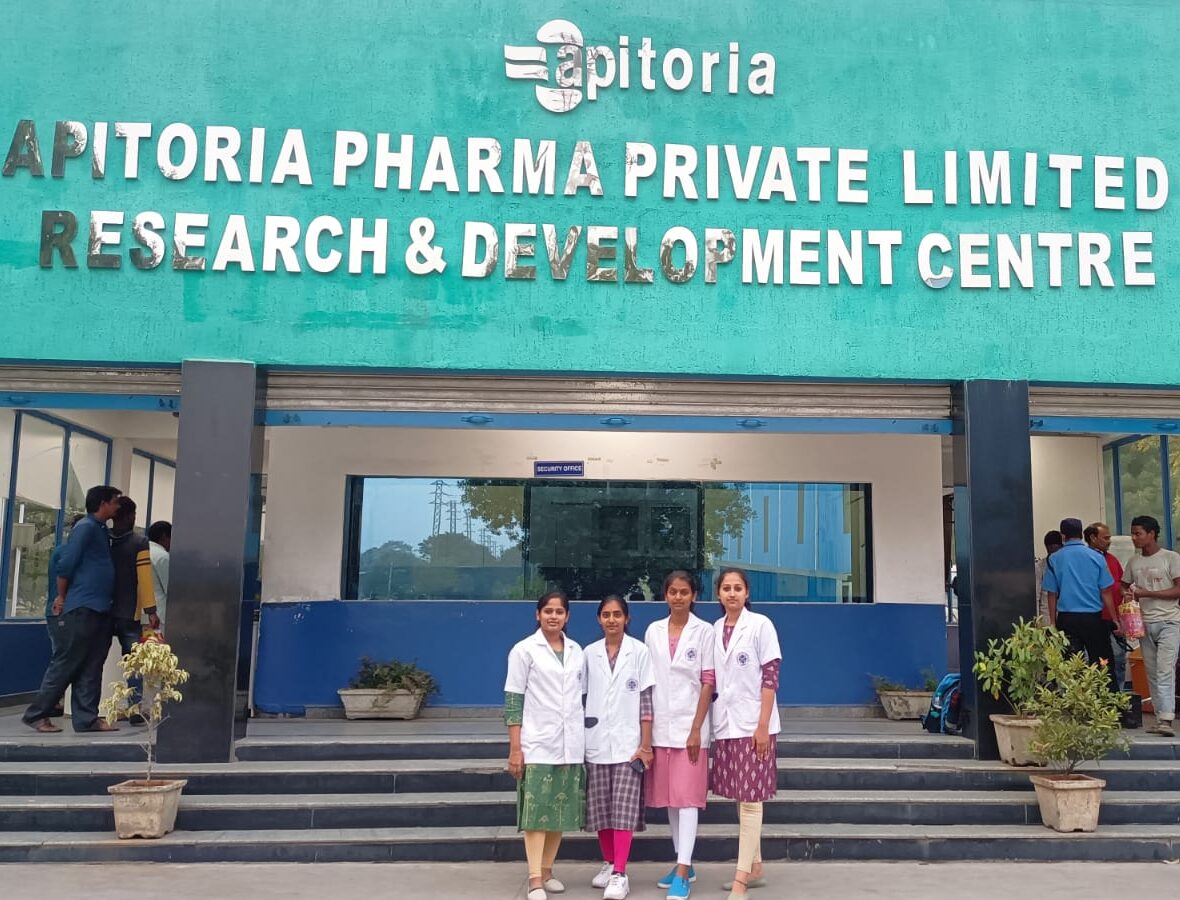
  • Pharma industries like Strides , Steriscience , Himalaya Wellness , Nuwill Research & Innovations , Medrich , Micro labs , Bal Pharma , Anthem Bioscience , Bhavani Pharmaceuticals , Bioplus life sciences , KAPL , Embiotic Pharma , Mylan labs , Senses Pharma , CE-Chem Pharma ..etc
  • Workshops conducted by pharmaceutical associations, professional societies, and academic institutions can provide specialized skills and networking opportunities
Internships and On-the-Job Training in Retail Pharmacy
  • Many retail pharmacy chains offer internship programs or on-the-job training for recent pharma graduates. These training opportunities provide practical experience in working with customers, managing medication dispensing, and learning the inner workings of retail pharmacy operations.

Pharmacy Technician Training

  • Certified Pharmacy Technician (CPT) Certification: While pharmacists typically hold advanced degrees, training as a pharmacy technician can provide valuable hands-on experience. Certification programs are available to learn drug dispensing, medication counseling, and inventory management.
  • Pharmacy Technician Diploma/Certification Programs: These programs focus on essential skills like drug preparation, patient safety, managing prescriptions, and interacting with patients.

Skill Development Training program

A Skill Development Training Program is a structured initiative designed to help individuals or groups acquire and improve specific skills for personal or professional growth. These programs can vary in scope, duration, and delivery method depending on the target audience and objectives.

Here’s an overview of what a skill development training program might entail:

  1. Objectives

  • Enhance specific skills: To improve technical, soft, or leadership skills.
  • Career growth: Equip individuals with skills that make them more competitive in the job market.
  • Boost productivity: Help employees or individuals perform their jobs more efficiently and effectively.
  • Increase adaptability: Enable participants to adapt to changing technologies and workplace environments.
  1. Key Areas of Skill Development

  • Technical skills: Coding, digital literacy, machine operation, data analysis, etc.
  • Soft skills: Communication, time management, problem-solving, leadership, teamwork, emotional intelligence.
  • Job-specific skills: Tailored to industry-specific requirements, such as project management in IT, customer service techniques, or sales tactics.
  • Entrepreneurial skills: Business management, marketing, financial literacy, innovation.
  1. Training Methods

  • Workshops: Hands-on learning experiences that focus on a specific skill or set of skills.
  • Seminars and Webinars: Knowledge sharing sessions with experts or industry professionals.
  • Online Courses: Self-paced or instructor-led courses offered through platforms LMS
  • On-the-Job Training: Mentoring or apprenticeship models where participants learn skills while performing tasks.

A Faculty Development Program (FDP) is designed to enhance the skills, knowledge, and overall performance of educators, enabling them to improve their teaching methodologies, stay updated with the latest academic trends, and foster an effective learning environment. These programs are crucial for ensuring that faculty members continue to evolve in their roles and meet the dynamic needs of students.

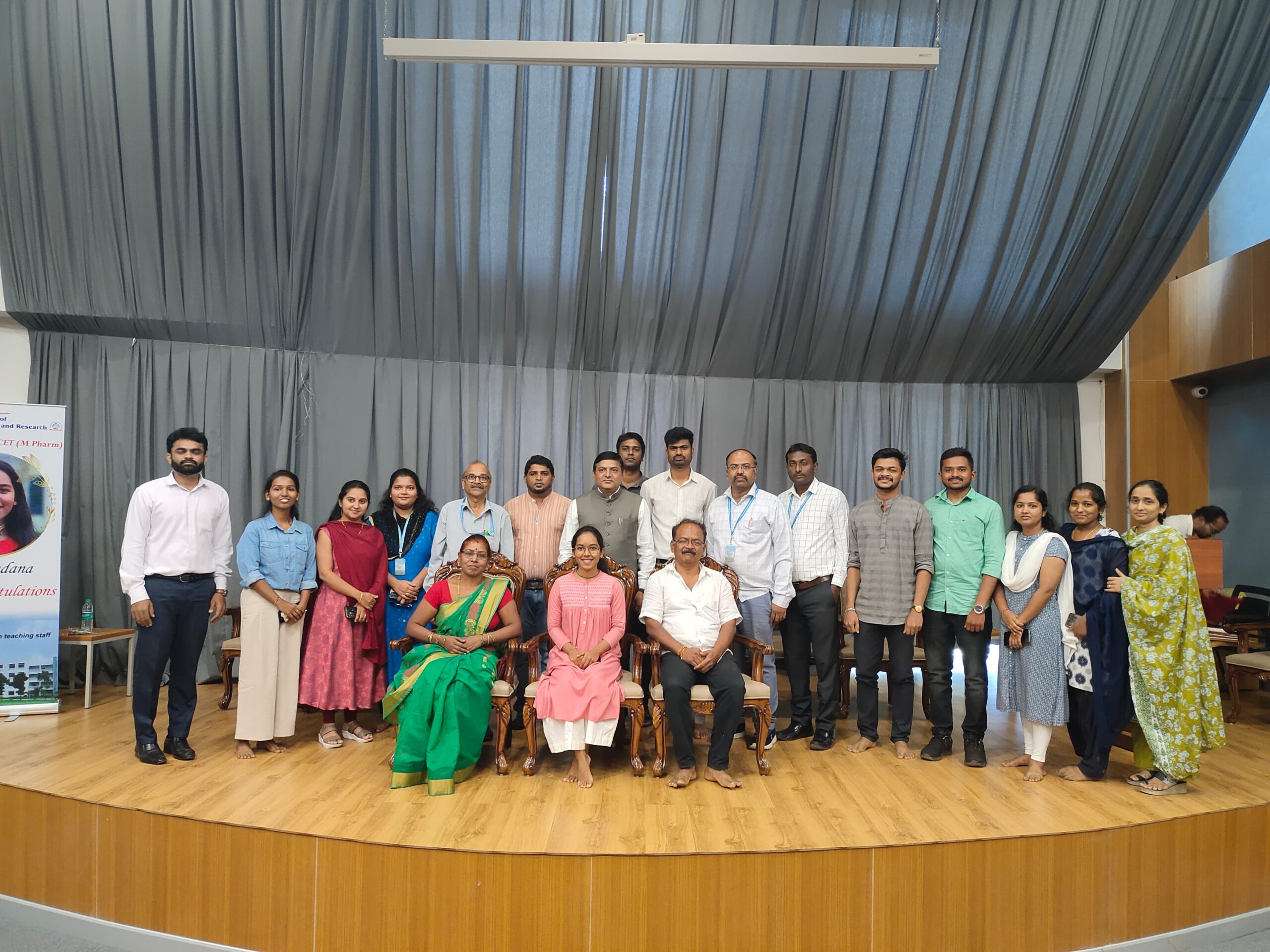
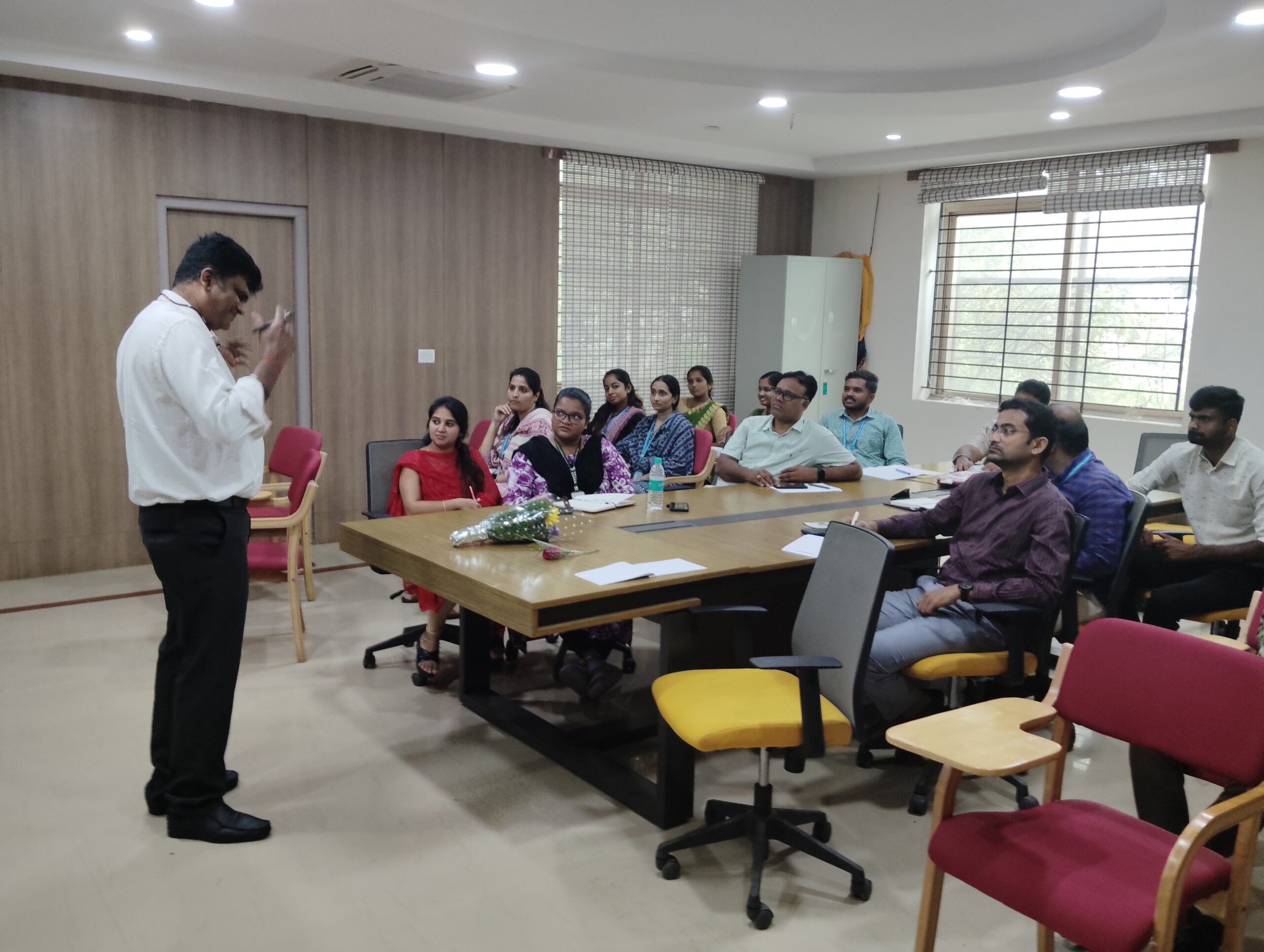
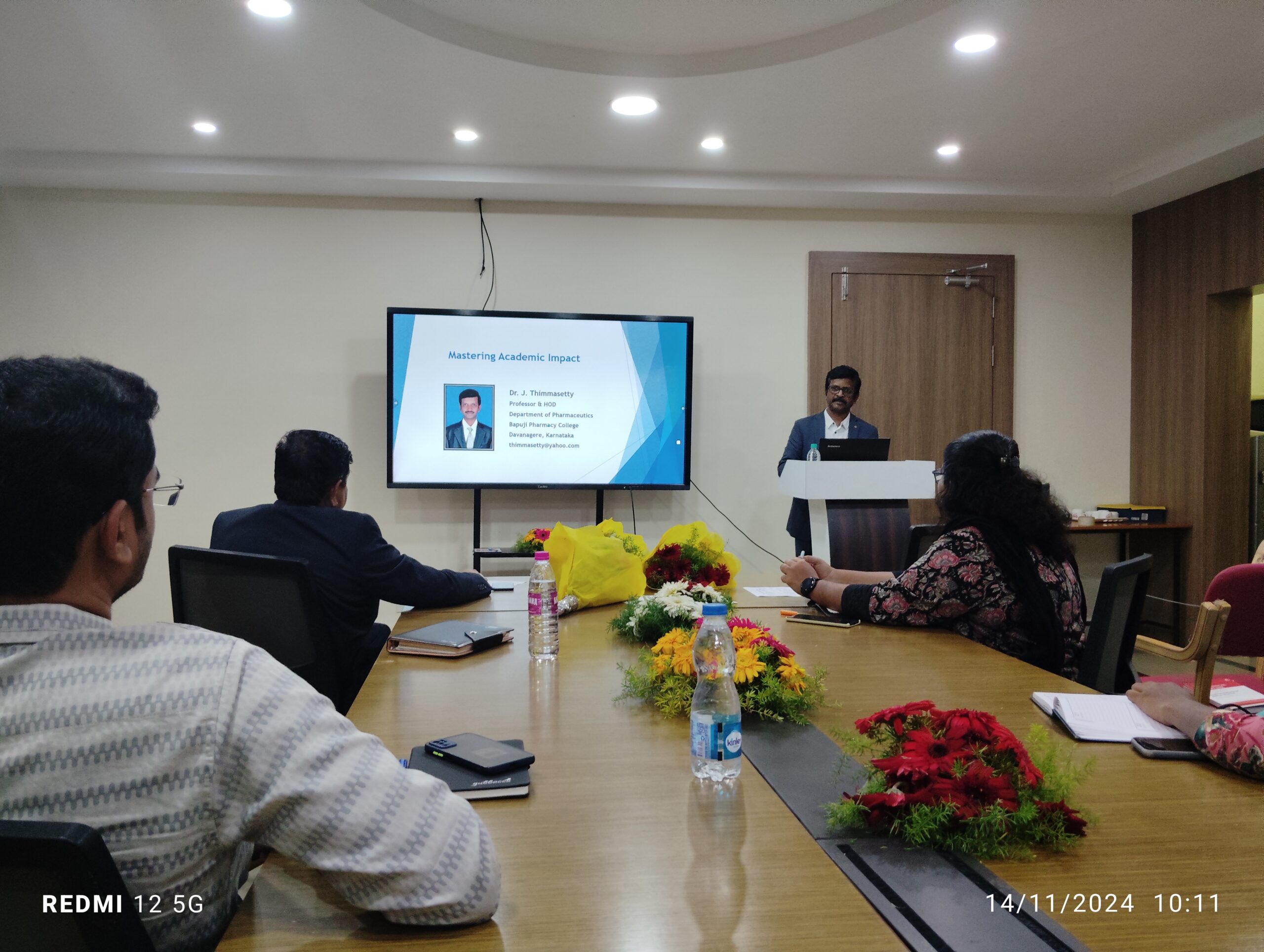
3 Days of Faculty development program has been conducted from saastech Pvt Ltd, Bangalore

Pedagogical Training:

  • Active Learning Strategies: Techniques to engage students and make learning interactive (e.g., flipped classrooms, peer teaching, group discussions).
  • Assessment Techniques: Training on designing assessments that measure student learning accurately (e.g., formative and summative assessments, rubrics).
  • Classroom Management: Strategies for maintaining a positive and productive classroom environment.
  • Feedback Mechanisms: Best practices for providing constructive and actionable feedback to students.

Interpersonal and Leadership Skills:

  • Collaboration and Teamwork: Encouraging faculty members to work together on projects, research, and institutional development.
  • Mentorship and Counseling: Developing skills to support and mentor students beyond the classroom.
  • Conflict Resolution: Strategies to handle disputes or challenges effectively in the academic setting.
  • Time Management: Helping faculty balance teaching, research, and administrative duties effectively.


MOU of Academic and Industry collaboration

An Memorandum of Understanding (MOU) for Academic and Industry Collaboration is a formal agreement between an academic institution and an industry partner that outlines the terms and conditions under which the two parties will collaborate.

Purpose:

The purpose of this MOU is to establish the framework for collaboration between the University and the Industry Partner in areas such as joint research, technology development, student internships, skill development programs, and other academic-industry partnerships that will benefit both parties and contribute to the advancement of knowledge, innovation, and industry practices.

Scope of Collaboration:

The specific areas of collaboration under this MOU may include, but are not limited to, the following:

  1. Joint Research and Development: The University and the Industry Partner will collaborate on research projects. Both parties will explore opportunities for co-investment in research and development activities.
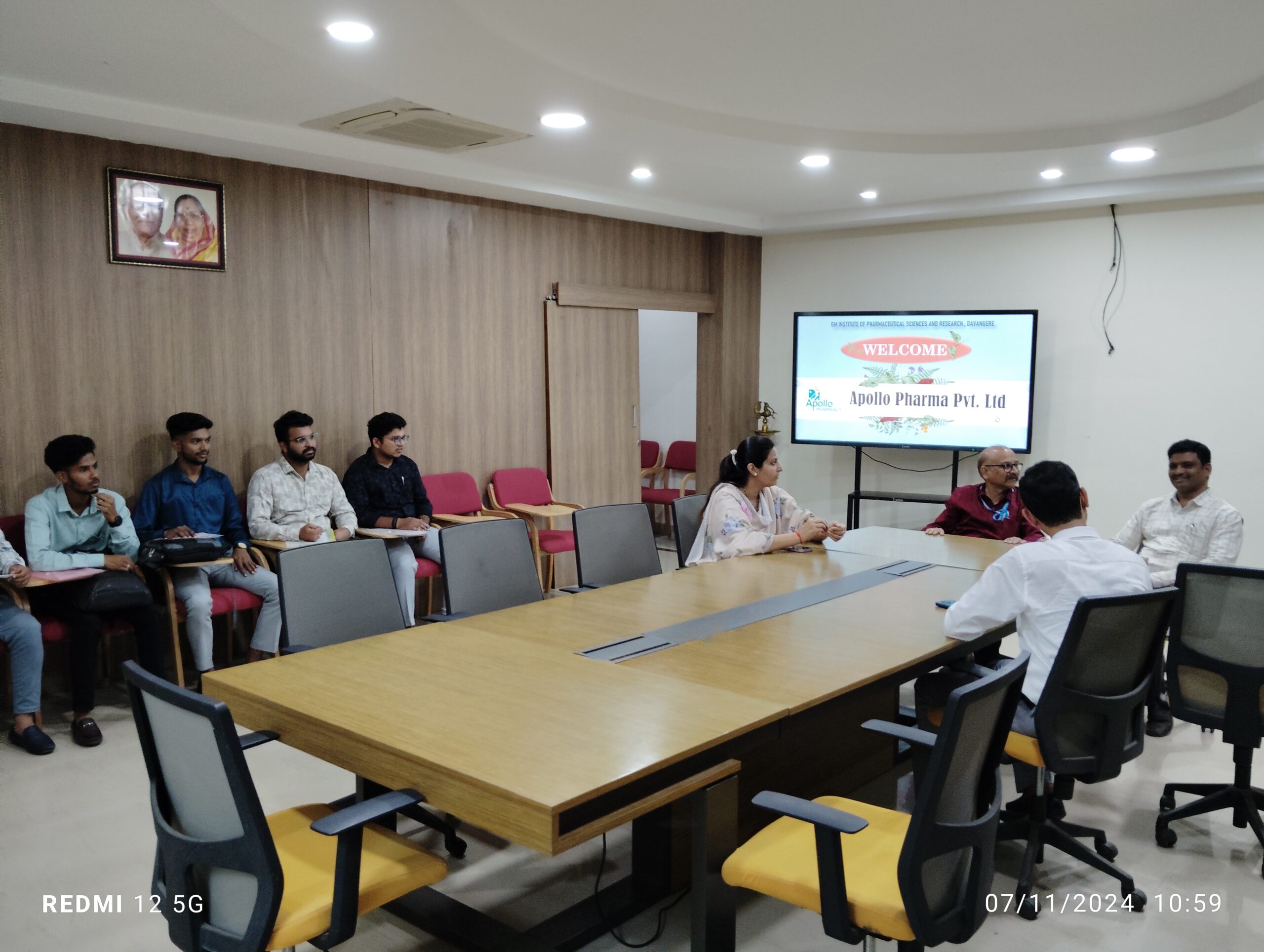
  2. Student Internships and Placement: The Industry Partner will provide internship opportunities for students from the University in various departments, with an emphasis on .Both parties will collaborate on developing training programs that bridge the gap between academic learning and industry practices.
  3. Guest Lectures and Workshops: Industry experts will be invited to conduct guest lectures, workshops, seminars, and conferences at the University to share practical insights and industry best practices with students and faculty members.
  4. Technology Transfer and Innovation: The parties may collaborate on transferring technology developed through academic research to practical, marketable solutions, and fostering innovation in fields of mutual interest.
  5. Curriculum Development: The Industry Partner will assist in the development of relevant curricula and training programs that meet the evolving needs of the industry and align with academic standards.

GM Institute of Pharmaceutical Sciences and Research had MOU with following organizations.

  1. ICR
  2. Nutrisukan Biotech Pvt Ltd , Bangalore
  3. Sri Bhavani Pharmaceuticals , Dharwad

Training and Placement Cell Commitee

Dr Girish Bolakatti

Principal

Mr. Rakesh S A

Genaral Secretary

Dr. Amith Kumar B

Training and Placement Cell Member